Beyond the Classroom: Four Students Take on Geotechnical Engineering at GRI
 Beyond the Classroom: Four Students Take on Geotechnical Engineering at GRI
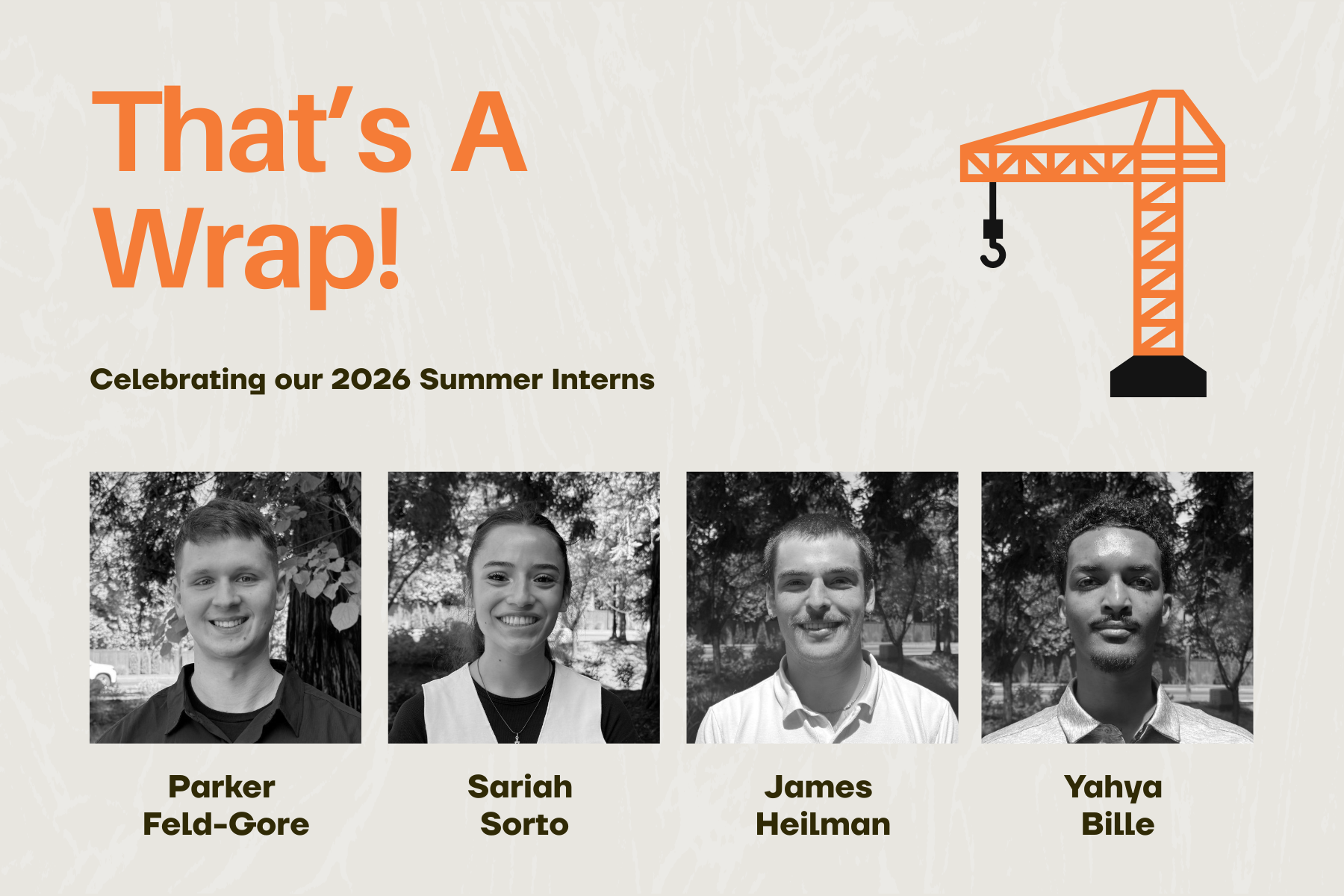
This summer, GRI welcomed four civil engineering students to our team for a hands-on introduction to the world of geotechnical engineering, and a chance to experience what it’s like to turn classroom knowledge into real-world solutions.
Representing four different universities and bringing their own interests, perspectives, and goals, Yahya, Parker, James, and Sariah spent the summer learning alongside GRI’s engineers and geologists, getting their hands dirty in the lab, heading into the field, and gaining firsthand experience on active projects. From testing materials and observing field investigations to learning how engineers approach complex site conditions, their summer offered a behind-the-scenes look at the work that goes into building safer, more resilient infrastructure. For GRI, it was also an opportunity to invest in the next generation of engineers and give students meaningful experiences that can help shape their careers.
Meet the 2026 GRI Interns
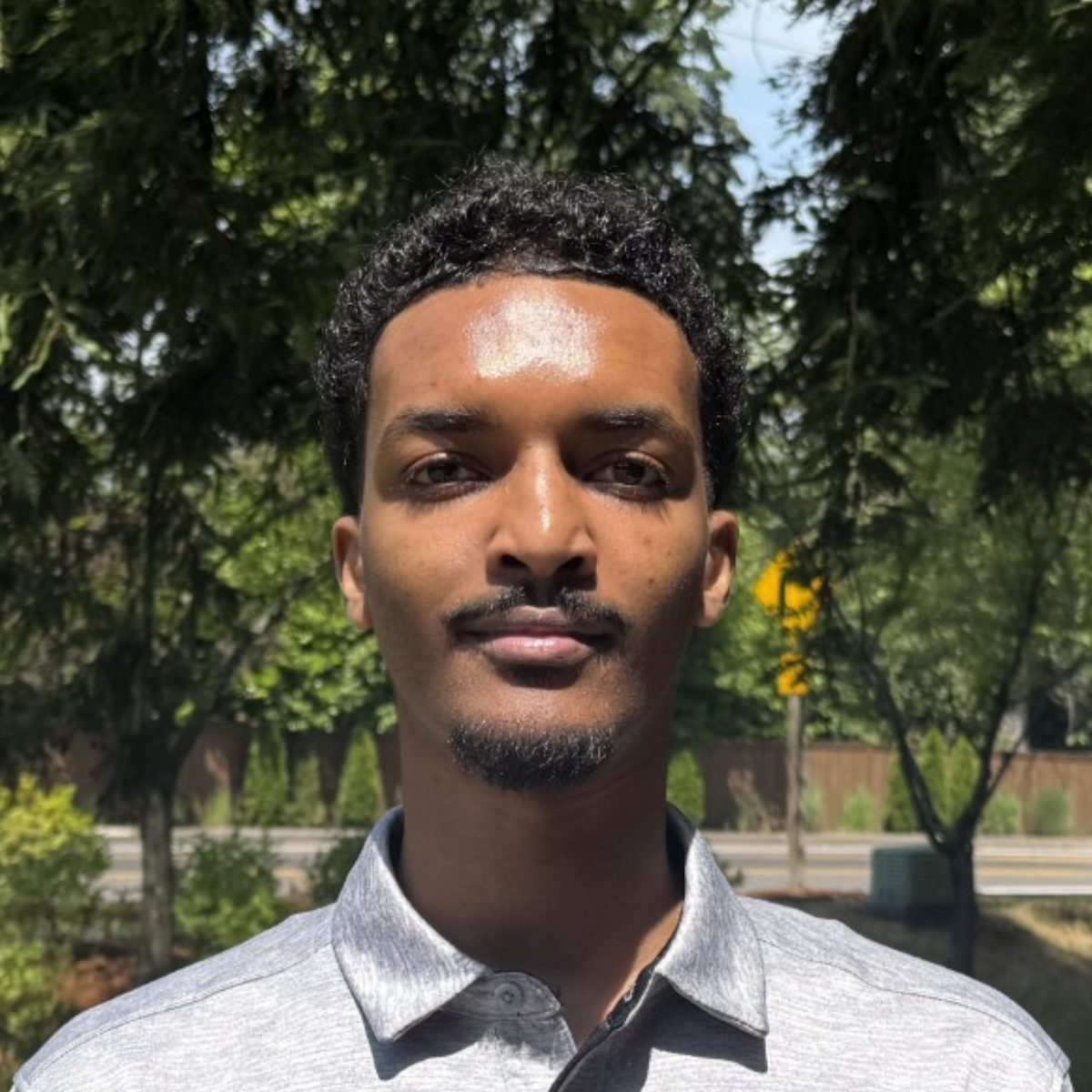
Yahya Bille
Portland State University | Civil Engineering
Summer in one word: Enjoyable
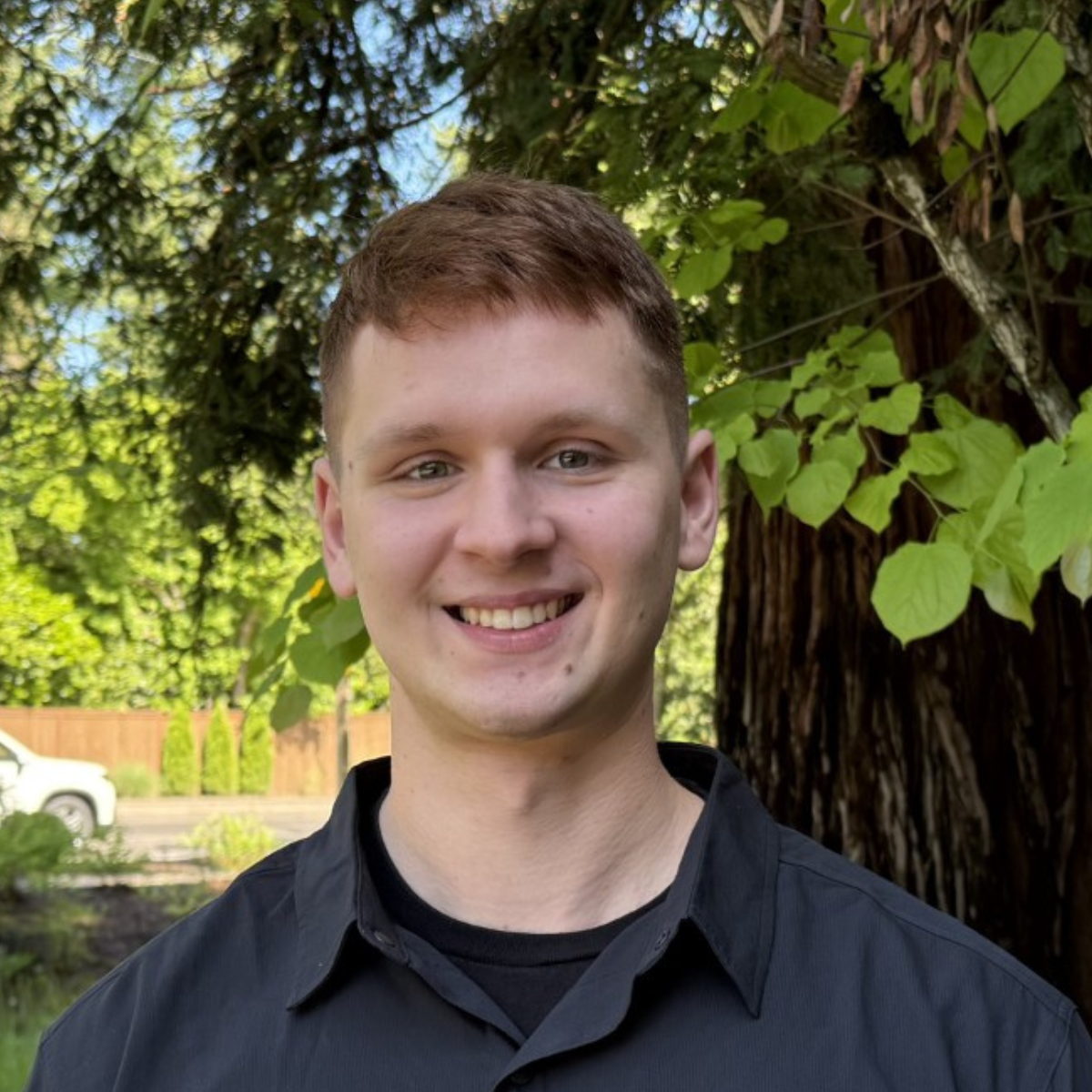
Parker Feld-Gore
Oklahoma State University | Civil Engineering
Summer in one word: Practical
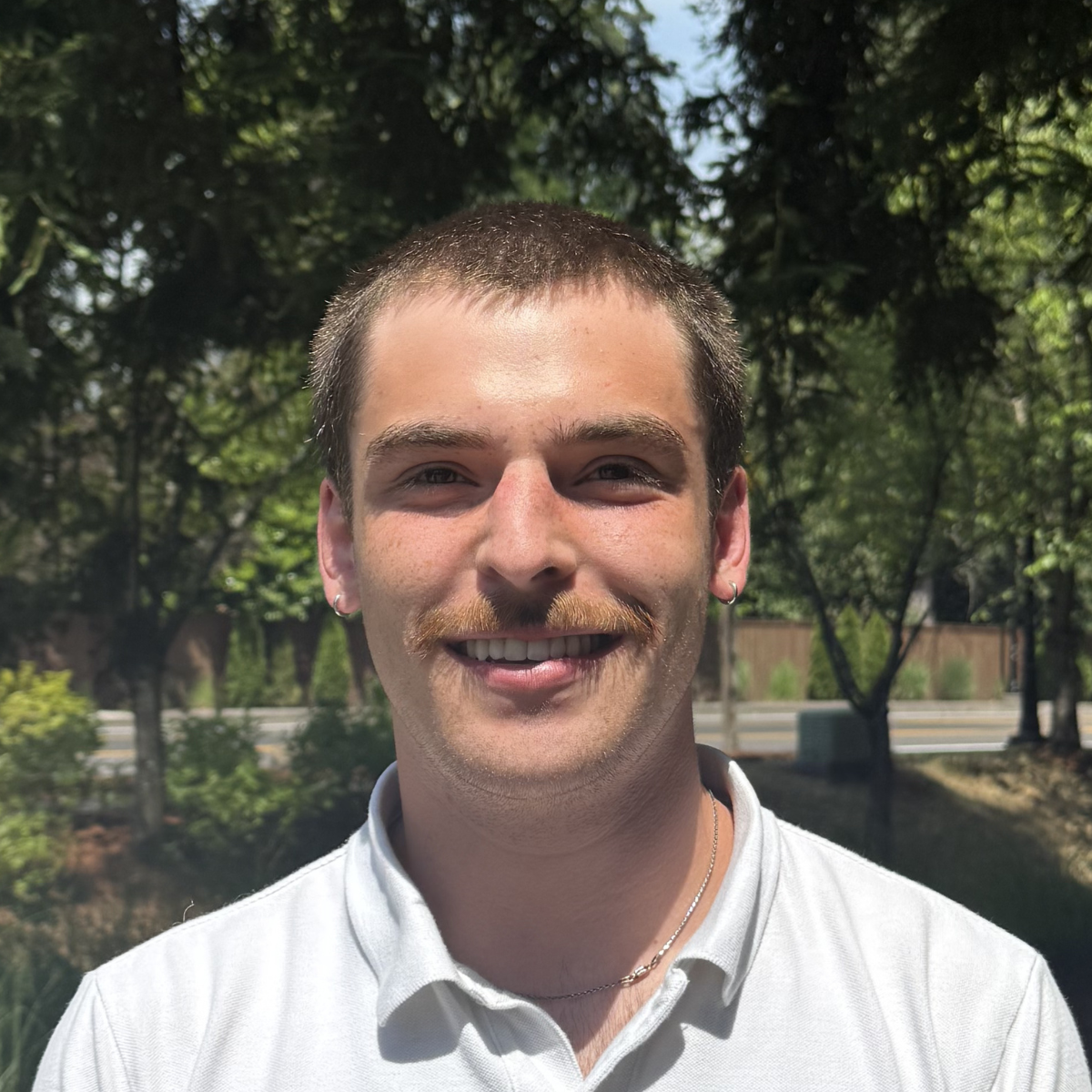
James Heilman
Oregon State University | Civil Engineering
Summer in one word: Busy
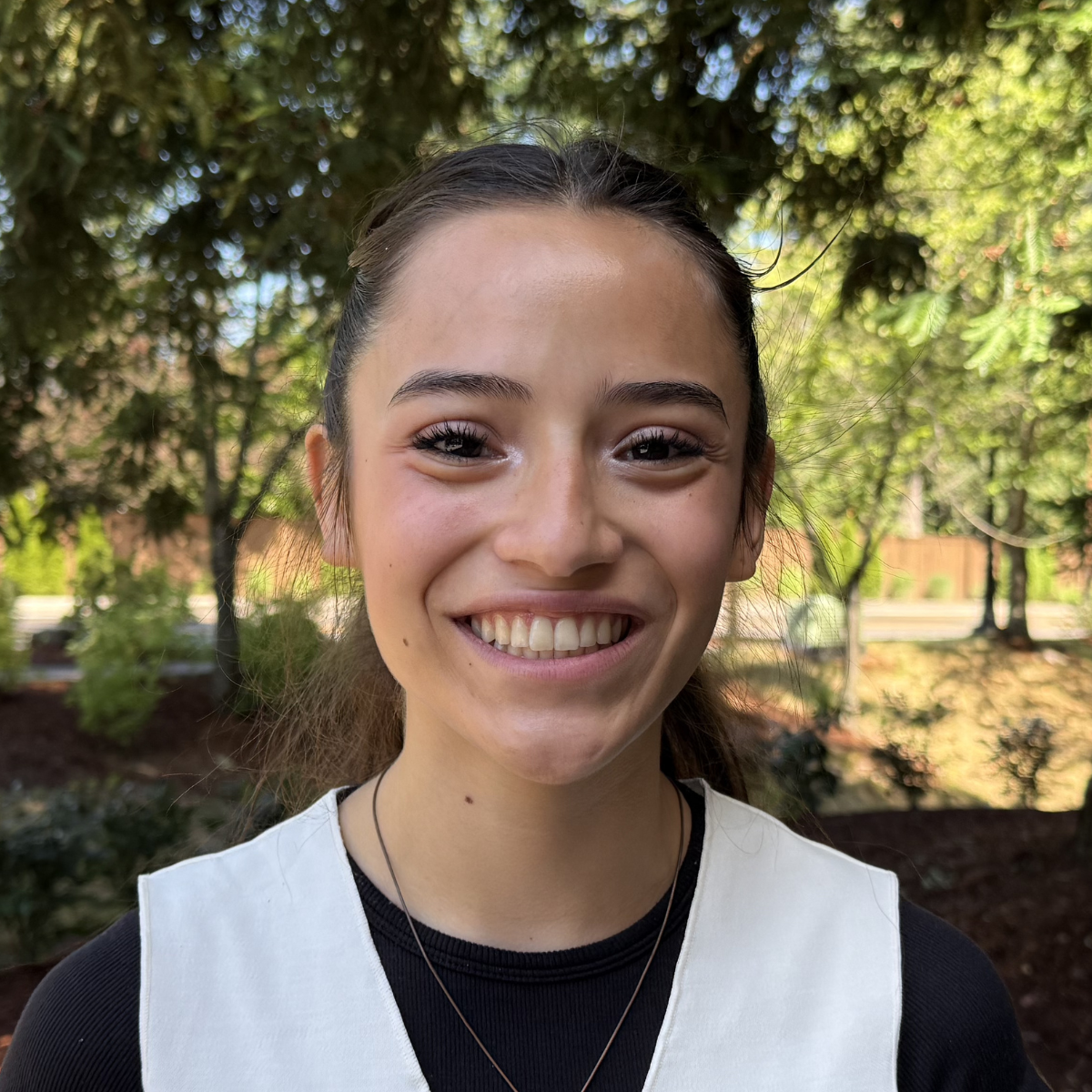
Sariah Sorto
Oregon Institute of Technology | Civil Engineering
Summer in one word: Exposure
Beyond the Classroom
For our interns, learning didn’t stop when they left campus. This summer gave them the opportunity to experience the variety of work that goes into geotechnical engineering – from laboratory testing and AutoCAD to active construction sites and field investigations.
Getting Hands-On in the Field
Yahya spent his summer getting out on project sites, working in the lab, preparing files, and using AutoCAD. He was involved with projects ranging from K-12 to data centers and enjoyed seeing firsthand what geotechnical engineering looks like in practice.
Parker gained field experience at the Kaiser job site in Sunnyside, where he observed conventional drilling and tieback testing and conducted density testing.
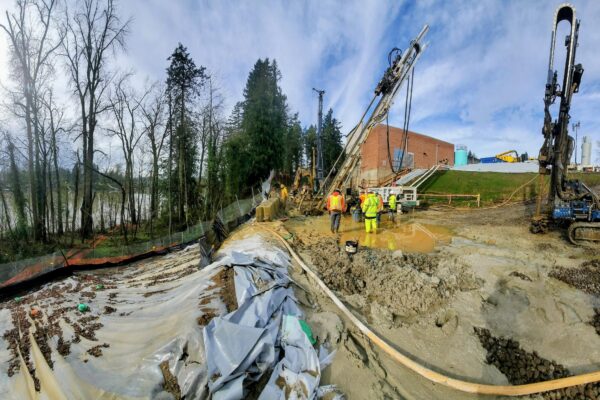
James worked at the Port of Portland, where he got to experience deep soil mixing being used as part of efforts to help reduce potential earthquake damage. He also worked alongside our prime partners during coring operations and gained valuable experience learning and understanding how to work on active jobsites with other companies.
Sariah split her time between the lab and the field, getting exposure to activities including soil exploration drilling, density testing, proof rolls, soil mixing, inclinometer readings, piezometer installation, and soldier pile installation.
From the Classroom to the Jobsite
One of the biggest parts of an internship is putting classroom knowledge into practice.
Parker experienced this firsthand when he learned to use a nuclear density gauge to test soil density – something he had previously encountered at university.
Sariah also found herself connecting classroom concepts with real-world conditions. After spending time in the lab, she enjoyed going out for soil exploration drilling and seeing how dramatically soils can change from one location to another.
“Soil is never the same and thus the solution is not the same for any given project.”
– Sariah
Our interns also gained experience with laboratory testing, including soil washes and Shelby tubes, along with field observations and testing techniques that gave them a broader understanding of the industry.
Learning to Ask Questions
Technical skills were only part of the experience.
For Sariah, one of the biggest takeaways was learning how to become comfortable being uncomfortable. Working alongside construction teaming partners at project sites, project managers, engineers, and other staff gave her the opportunity to practice communicating, asking questions, and seeking help when needed.
Yahya found that working in the engineering industry exposed him to a different side of engineering than what he typically encounters in school. While education often focuses on research and theory, real projects come with variables that require engineers to think through potential risks and find the right path forward.
For Parker, one of his favorite parts of the summer was simply getting to know people around the office over lunch – another reminder that an internship is about more than technical experience.
Four Different Paths Into Engineering
Each intern came to civil engineering for a different reason.
Yahya, a Portland native, was drawn to geotechnical engineering because he liked the opportunity to spend time outside and see projects firsthand.
Growing up in Portland, Parker became interested in engineering while watching bridges over the Willamette being constructed.
James was inspired to pursue civil engineering by his dad.
And Sariah was drawn to geotechnical engineering because of the role that soil and foundations play beneath the structures we rely on every day. She enjoys the variability and problem-solving that come with a field where every project can present something different.
Their paths may be different, but this summer gave all four a chance to explore what a career in the industry can look like beyond the classroom.
Looking Ahead
As Yahya, Parker, James, and Sariah wrap up their summer with GRI and head back to school, they’re taking more than technical skills with them. They’ve gained field experience, industry knowledge, new connections, and a better understanding of what it means to work as part of a project team.
We’re grateful to have had them on the GRI team this summer and are excited to see where their engineering careers take them next!